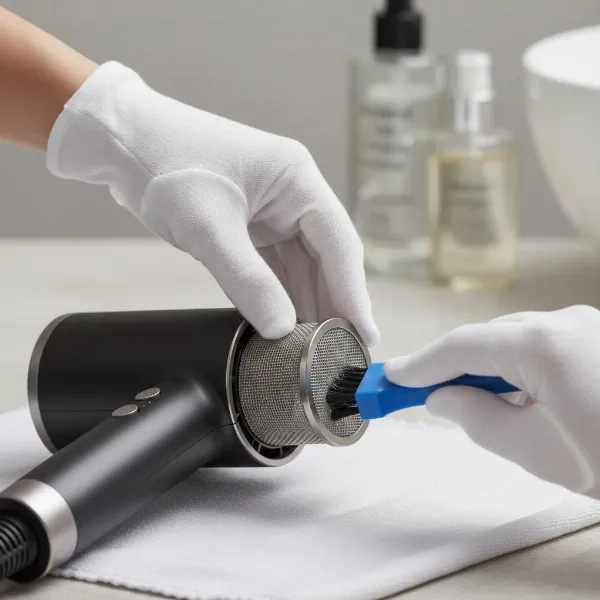
Discovering a burning smell emanating from your hair dryer can quickly turn your morning routine into a moment of alarm. Whether it’s a subtle, unusual odor or an unmistakable burnt scent, this common issue often signals a problem that needs immediate attention. Understanding the root causes of a burning smell—from simple dust buildup to more serious electrical faults—is crucial for both the longevity of your appliance and, more importantly, your safety. This comprehensive guide will walk you through diagnosing the problem, providing step-by-step solutions, and offering essential maintenance tips to prevent future occurrences, ensuring your hair dryer remains a safe and effective styling tool.
Understanding the Burning Smell: Is It Normal or a Warning Sign?
|
Our Picks for the Best Hair Dryer in 2026
As an Amazon Associate I earn from qualifying purchases.
|
||
| Num | Product | Action |
|---|---|---|
| 1 | Wicked Elphaba Hair Dryer with Diffuser from Conair - INFINITIPRO by CONAIR Hair Dryer with Ceramic Technology - Includes Diffuser and Concentrator |

|
| 2 | Infiniti PRO CONAIR Hair Dryer with Diffuser, Professional AC Motor, Tourmaline Ceramic Technology Blow Dryer, Includes Concentrator and Blowout Brush, Amazon Exclusive, Gray |
|
| 3 | INFINITI PRO by CONAIR Hair Dryer, 1875W Blow Dryer with Diffuser and Concentrator Attachments, AC Motor with Ceramic Technology, 3 Heat & 2 Speed Settings, Plum |
|
| 4 | Infiniti PRO CONAIR Hair Dryer with Diffuser and Concentrator, 1875W Style & Shine Blow Dryer with Tourmaline and Ionic Conditioning to Fight Frizz, 3 Heat & 2 Speed Settings, Blue |
|
| 5 | Conair Double Ceramic Hair Dryer, 1875W Blow Dryer with Diffuser and Concentrator, Ionic Conditioning, 3 Heat & 2 Speed Settings, Amazon Exclusive, White |
|
| 6 | INFINITI PRO by CONAIR Hair Dryer, 1875W Blow Dryer with Diffuser and Concentrator, Ceramic Technology, 3 Heat & 2 Speed Settings, Cold Shot Button, Black |
|
| 7 | Wavytalk Hair Dryer with Diffuser, Blown Away Ionic Hair Dryer for Curly Hair with Comb, 1875W Fast Drying Blow Dryer with Ceramic Technology, 3 Attachments for All Hair Types, Light and Quiet, Black |
|
| 8 | Conair Double Ceramic Hair Dryer - Blow Dryer with Ionic Conditioning - Includes Concentrator |
|
| 9 | Wavytalk Hair Dryer, Blown Away Ionic Hair Dryer for Curly Hair with Diffuser, 1875W Fast Drying Blow Dryer with Ceramic Technology, 3 Attachments for All Hair Types, Light and Quiet, Rose Gold |
|
| 10 | Wicked Glinda Hair Dryer with Diffuser from Conair - INFINITIPRO by CONAIR Hair Dryer with Ceramic Technology - Includes Diffuser and Concentrator |
|
The burning smell from a hair dryer isn’t always a cause for immediate panic, but it should never be ignored. Distinguishing between a normal, temporary odor and a warning sign is key to knowing how to proceed.
When a hair dryer is brand new, it’s fairly common for it to emit a faint burning or chemical smell during its first few uses. This occurs because internal components, such as the heating element and motor, are burning off residual manufacturing oils, protective coatings, or factory dust. This temporary odor typically subsides after two to three uses and does not pose a safety risk if the smell is mild and decreases with each use. However, if the scent persists beyond the first week or becomes stronger, it warrants further investigation.
On the other hand, a burning smell from an older hair dryer is often a flashing warning sign. Over time, dryers accumulate dust, lint, and stray hairs in the vents and around the motor. When these particles heat up, they burn, releasing a distinct odor. Persistent or strong burning smells from an older unit can indicate internal damage, requiring professional repair or replacement. Different types of burning smells can also offer clues: a dusty smell points to accumulated debris, while a plastic or electrical odor suggests more serious internal component issues.
Common Causes of a Burning Smell in Your Hair Dryer
Several factors can contribute to that alarming burning smell from your hair dryer. Identifying the specific cause is the first step toward a safe and effective solution.
Dust, Lint, and Hair Buildup
The most frequent culprit behind a burning smell is the accumulation of dust, lint, and hair within the hair dryer. Hair dryers constantly pull air through rear filters, and over time, these filters become clogged with debris. This blockage restricts airflow, forcing the heating elements and electrical components to work harder and leading to internal overheating. When these accumulated particles come into contact with the hot heating element, they literally burn, producing that characteristic acrid odor. Regular cleaning is essential to prevent this, as neglected units can develop significant blockages that reduce efficiency and create safety hazards.
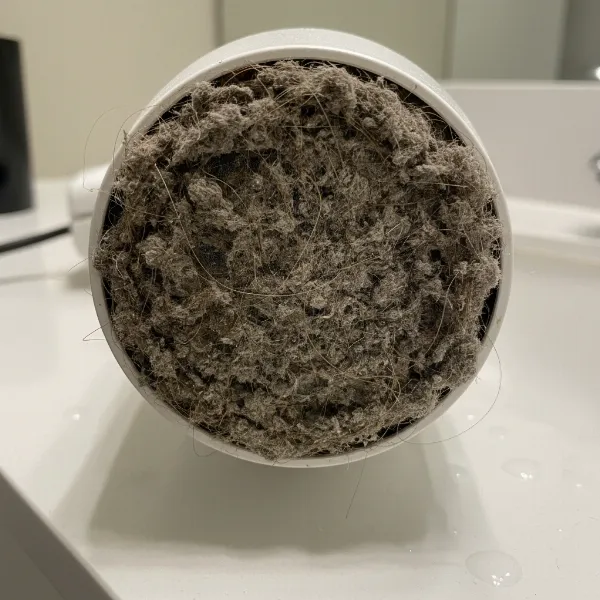 A hair dryer with visible dust, lint, and hair clogging its air intake filter and vents, illustrating a common cause of burning smell.
Overheating Internal Components
Beyond surface-level debris, internal components can also cause a burning smell when they overheat. Worn-out heating elements, for instance, may struggle to regulate temperature effectively, leading to excessive heat generation. Similarly, an overworked or failing motor, particularly if it’s been straining due to restricted airflow, can generate excessive heat and emit a burning odor as its internal parts degrade. Mica sheets, which insulate heating wires, can also age and carbonize over time, releasing burnt smells that signal component degradation. Prolonged use, especially continuous operation for more than 10-15 minutes, can also cause the motor to exceed safe operating temperatures.
Faulty Wiring or Electrical Issues
A more serious cause of a burning smell is faulty wiring or other electrical problems within the appliance. Short circuits, loose connections, or damaged wire insulation can cause electrical components to overheat and produce a distinct burnt plastic or electrical odor. This type of smell, often described as chemical, differs from dust burning and indicates melting plastic components or failing electrical parts, posing significant safety hazards. If you detect this smell, especially accompanied by sparks, smoke, or unusual noises, discontinue use immediately.
Foreign Objects
Sometimes, small foreign objects can accidentally get sucked into the hair dryer’s vents. This could be anything from a stray hair clip or piece of jewelry to dried hair product residue or even a small piece of paper. When these objects come into contact with the hot heating coil or motor, they can burn, producing an unpleasant smell.
Improper Use
Even how you use your hair dryer can contribute to overheating. Blocking the air intake or exhaust vents with a towel, your hand, or resting the dryer on a soft surface like a bed can restrict airflow. This forces the motor and heating element to work harder, leading to overheating and potentially a burning smell. Using the highest heat settings for extended periods without allowing the dryer to cool can also accelerate wear on internal components and trigger overheating.
Troubleshooting: What to Do When Your Hair Dryer Smells Burnt
If your hair dryer starts emitting a burning smell, immediate action is crucial to ensure safety and potentially resolve the issue.
Immediate Safety Steps
First and foremost, if your hair dryer smells burnt, unplug it right away to avoid any hazards. Allow the appliance to cool down completely in a safe, open area, away from any flammable materials. Ensure adequate ventilation to clear any lingering chemical odors. Never attempt to continue using a hair dryer that is showing warning signs like smoke, sparks, or extremely hot surfaces, as intermittent failures can worsen rapidly.
Step-by-Step Cleaning Guide
Most burning smell issues can be resolved with thorough cleaning. Here’s how:
- Unplug and Cool: Always ensure your hair dryer is unplugged and completely cool before you begin cleaning.
- Remove Rear Filter Cover: Most hair dryers have a removable rear filter cover or air intake screen. This usually slides off or unclips easily, sometimes requiring a twist counter-clockwise.
- Clean the Filter: Use a soft-bristled brush, an old toothbrush, or a vacuum cleaner brush attachment to remove lint and debris from the filter screen. For washable filters, rinse under running water and ensure it is completely dry before reinstallation.
- Clean Air Vents: Inspect the rear air intake and exhaust vents for any visible dust or hair, ensuring they are clear to prevent blockages.
- Deeper Internal Cleaning: For deeper cleaning, use compressed air or a soft brush monthly to remove dust buildup from internal components, especially around the heating element and fan. Never use water directly on internal electrical components. If you use a barely damp cloth on accessible metal surfaces, ensure everything is completely dry before reassembly.
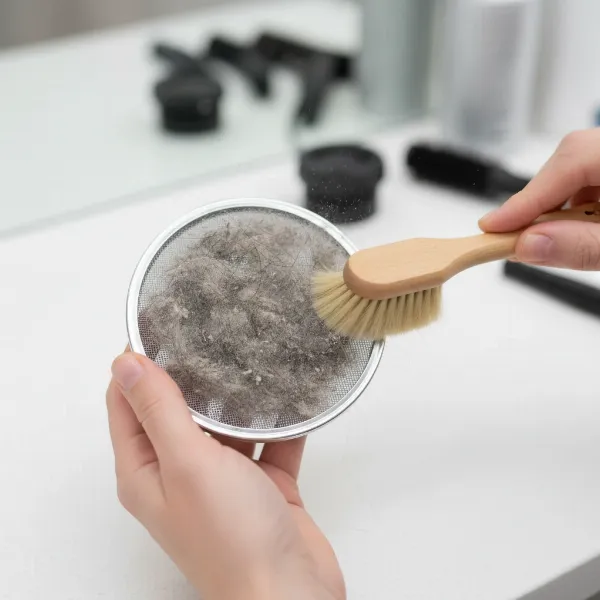 A person cleaning the removable lint filter of a hair dryer with a small brush, demonstrating essential maintenance to prevent burning smells.
Inspection for Damage
After cleaning, visually inspect your hair dryer for any signs of damage. Look for:
- Visible Melted Parts: Check for any areas of discolored or melted plastic on the casing or around the vents.
- Frayed or Damaged Cord: Inspect the power cord for any cracks, fraying, or exposed wires, especially near the base where it connects to the dryer. A damaged cord is a significant fire hazard.
- Loose Wires: While deeper internal inspection should generally be left to professionals, if any wires are visibly loose or exposed in accessible areas, do not use the dryer.
When to Repair or Replace Your Hair Dryer
The decision to repair or replace a hair dryer depends on several factors, including the appliance’s age, the severity of the issue, and the cost of repair versus replacement.
Signs It’s Time for Professional Repair
If the burning smell persists even after thorough cleaning, it’s a strong indication of internal damage that needs professional attention. Other signs warranting professional repair include:
- Persistent Burning Odor: Especially if it’s accompanied by a chemical or electrical smell.
- Sparks or Smoke: Any visible smoke or sparks during operation indicates a serious electrical fault.
- Loud Buzzing or Irregular Noises: Grinding or rattling sounds can point to motor bearing failure or other mechanical issues.
- Inconsistent Heat or Airflow: If the dryer is not heating consistently or the airflow is significantly reduced.
Professional repair can be cost-effective for newer units with specific component failures, with typical repair costs ranging from $48-$100 for common issues like switch problems or loose connections.
Signs It’s Time for Replacement
Sometimes, replacement is the safer and more economical option. Consider replacing your hair dryer if:
- Old Dryer: Hair dryers over 5-6 years old with regular use typically require replacement, as multiple component failures become increasingly likely.
- Visible Damage: Melted parts, frayed cords, or cracked casing pose serious safety hazards and mean you should replace the dryer immediately.
- Cost of Repair: If repair costs exceed 50% of the replacement cost, especially for older units, replacement becomes the more economical choice long-term.
- Recurring Issues: If you’re constantly troubleshooting the same problem or experiencing frequent overheating.
- Safety Features Keep Tripping: If the dryer keeps shutting off mid-use or the safety fuse blows often, it’s a sure sign it’s struggling to keep up.
Remember, always prioritize safety over economic considerations. Units producing smoke, showing visible component damage, or creating safety hazards should be replaced immediately regardless of age or repair cost considerations.
Preventing Future Burning Smells
Proactive maintenance and proper usage habits are your best defense against future burning smells and can significantly extend the lifespan of your hair dryer.
Regular Cleaning Schedule
Establishing a consistent cleaning routine is the single most effective way to prevent dust and lint buildup, which are the primary causes of burning smells.
- After Every Use: Quickly inspect and clear any visible lint or hair from the external filter.
- Weekly/Bi-Weekly: If you use your hair dryer daily, clean the filter and air vents thoroughly every one to two weeks.
- Monthly/Bi-Monthly: For occasional users, a monthly or bi-monthly deeper clean using a soft brush or compressed air for internal components is recommended.
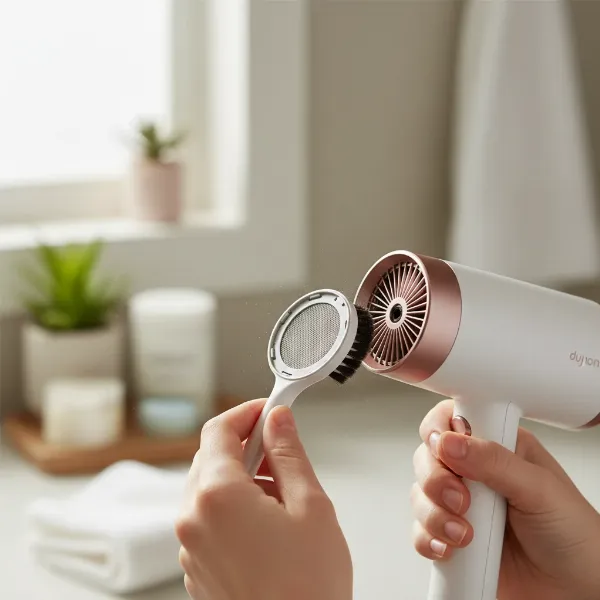 A person actively cleaning a hair dryer's vents and filter with a brush, emphasizing the importance of regular maintenance for optimal performance.
Proper Usage Habits
How you use your hair dryer directly impacts its health and safety.
- Maintain Unobstructed Airflow: Never block the air intake or exhaust vents with towels, clothing, or by placing the dryer on soft surfaces. Always ensure there’s clear space around the vents for proper air circulation.
- Allow for Cool-Down Periods: Avoid continuous operation beyond 10-15 minutes. Allow your hair dryer to cool down for 10-15 minutes between long drying sessions, especially if you have thick or long hair that requires more drying time.
- Use Appropriate Heat Settings: Max heat settings aren’t always necessary and can contribute to premature component wear and overheating. Use the lowest effective heat setting for your hair type and styling needs.
- Use Stable Electrical Sources: Plug your hair dryer directly into a wall outlet whenever possible. Avoid using extension cords, as they can sometimes lead to inconsistent power delivery or overheating if not rated for the appliance’s wattage.
Storage
Proper storage also plays a role in preventing dust accumulation and extending your dryer’s life.
- Dry and Dust-Free Environment: Store your hair dryer in a cool, dry place away from excessive humidity and dust. Avoid storing it on bathroom floors or cluttered drawers where debris can accumulate quickly.
- Loose Cord Wrapping: When storing, gently wrap the cord in loose loops rather than tight coils to prevent kinks, fraying, or electrical faults. Using wall-mounted holders or designated compartments can help keep the dryer secure and prevent accidental drops.
Consider a New Hair Dryer
If your current dryer is old and prone to issues, considering an upgrade can be a preventative measure. Look for modern dryers with features that enhance safety and longevity.
Buying Guide: Key Features to Look for in a New Hair Dryer
When purchasing a new hair dryer, especially if you’ve experienced issues with older models, prioritizing specific features can help prevent future burning smells and enhance overall safety and performance.
- Advanced Filtration Systems: Look for models with easily removable and cleanable filters. Some high-quality dryers feature advanced filtration systems that capture more dust and lint, preventing them from reaching internal components and making maintenance simpler.
- Multiple Heat and Speed Settings: A wider range of heat and speed settings gives you more control, allowing you to use lower temperatures and prevent overheating, especially for fine or damaged hair. The cool shot button also helps set styles and reduces overall heat exposure.
- Safety Features: Essential safety features include thermal cut-off switches, which automatically shut off power when temperatures become dangerously high, preventing overheating and potential fires. GFCI (Ground Fault Circuit Interrupter) protection is also crucial, especially for bathroom use, as it protects against electrocution risks. Overheat protection circuits and multiple temperature sensors that monitor various components simultaneously offer comprehensive overheating prevention.
- Motor Type: AC motors are generally more durable and last longer than DC motors, making them a good investment for longevity and consistent performance. Professional-grade units with robust construction and superior component protection tend to reduce burning smell occurrences.
- Material Technologies (Ceramic, Tourmaline, Ionic): While these primarily benefit hair health and styling, they can also contribute to safer operation. Ceramic or tourmaline components provide even heat distribution, preventing hot spots and localized overheating. Ionic technology can reduce frizz and static while enabling faster drying at lower temperatures, thereby reducing overall heat exposure and stress on components.
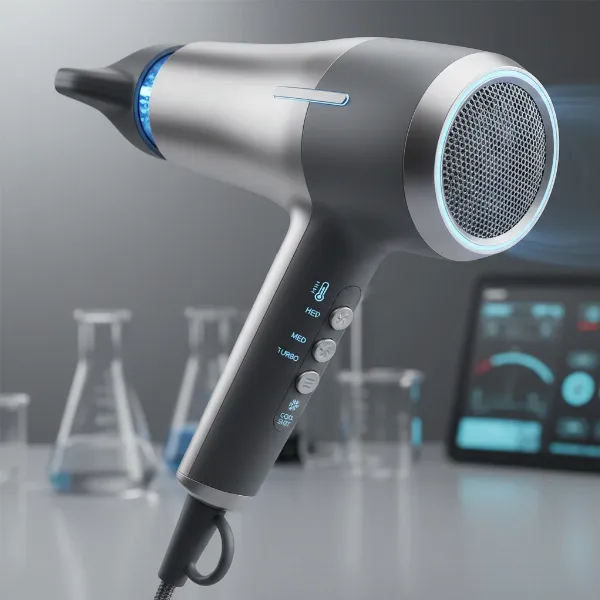 A sleek, modern hair dryer showcasing its advanced safety features like a well-designed filter, multiple heat settings, and a cool shot button.
Expert Tips for Hair Dryer Maintenance
Maintaining your hair dryer is not just about extending its life; it’s about ensuring safe and efficient operation. Neglecting simple maintenance can lead to a host of problems, including that dreaded burning smell.
> “A clean filter is the heart of a healthy hair dryer. Neglecting it is like asking for trouble and that unmistakable burnt smell. Regular, thorough cleaning is non-negotiable for both performance and safety.” – Admin, Hairdryerbest.com, Master Technician with 10+ Years of Hair Dryer Expertise.
Regular cleaning, proper storage, and mindful usage are the cornerstones of effective hair dryer maintenance. Investing a few minutes each week or month can prevent significant issues down the line. Remember to always unplug your dryer before cleaning and allow it to cool completely. For internal dust, a can of compressed air can be a game-changer, dislodging particles that a brush might miss. Also, be mindful of where you use your dryer; avoid using it in excessively dusty environments to minimize particle intake.
Conclusion
Encountering a burning smell from your hair dryer can be disconcerting, but by understanding its potential causes and implementing effective solutions, you can often resolve the issue and ensure your appliance operates safely. From the innocent burn-off of manufacturing residues in new units to serious electrical faults in older ones, the burning smell is always a signal that demands your attention.
The most common culprit, dust and lint buildup, is thankfully the easiest to remedy with regular cleaning of filters and vents. However, if the smell persists, intensifies, or is accompanied by other alarming signs like smoke or sparks, immediate discontinuation and professional inspection or replacement are paramount. By adopting proactive maintenance habits—such as consistent cleaning, proper usage, and careful storage—you can significantly extend the life of your hair dryer and prevent that unpleasant burning odor from disrupting your styling routine. Prioritizing safety and vigilance ensures that your hair dryer remains a reliable tool for beautiful, healthy hair.
Have you ever experienced a burning smell from your hair dryer, and what steps did you take to fix it?
Frequently Asked Questions
Is a burning smell from a new hair dryer normal?
Yes, a mild burning or chemical smell from a brand-new hair dryer is often normal during its first few uses. It’s typically caused by manufacturing residues, oils, or dust burning off as the internal components heat up. This odor should dissipate within a few sessions. If it persists or strengthens, contact the manufacturer.
Can a hair dryer catch fire if it smells like burning?
Yes, a hair dryer that continuously smells like burning, especially an electrical or plastic odor, can be a fire hazard. This usually indicates serious overheating, a faulty heating element, or electrical issues like short circuits. Unplug it immediately and do not use it again until it has been inspected or replaced.
How often should I clean my hair dryer filter?
For daily users, it’s recommended to clean your hair dryer filter weekly to prevent lint and dust buildup. Occasional users can extend this to monthly. Regular cleaning ensures optimal airflow, prevents overheating, and extends the lifespan of your appliance.
What does an electrical burning smell indicate?
An electrical burning smell typically indicates an issue with the hair dryer’s internal wiring, motor, or heating element. It could be due to a short circuit, damaged wire insulation, or an overworked motor struggling to function. This is a serious warning sign that requires immediate action, as it poses a fire and electrocution risk.
When should I throw away a hair dryer that smells burnt?
You should throw away a Hair Dryer that smells burnt if the smell persists after thorough cleaning, if it’s accompanied by smoke, sparks, melting plastic, or unusual noises, or if the power cord is frayed or damaged. For older dryers (5+ years), replacement is often safer and more economical than repair.