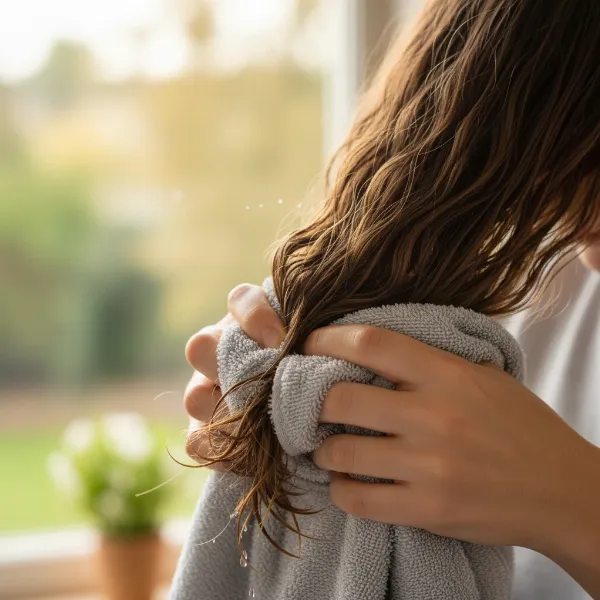
Achieving beautifully dried hair without stripping away its vital natural oils can feel like a delicate balancing act. Many of us have experienced the aftermath of aggressive drying routines: dullness, frizz, and a parched scalp, all signs that our hair’s precious moisture has been compromised. The good news is, with the right knowledge and techniques, you can transform your hair drying process into a nourishing ritual that preserves your hair’s inherent health and luster. This comprehensive guide will walk you through understanding your hair’s natural oils, choosing the best tools, and mastering gentle drying methods to keep your locks perfectly hydrated and vibrant.
Understanding Natural Oils and Their Role in Hair Health
Your scalp naturally produces sebum, a complex mix of fatty acids, waxes, and squalene, which are collectively known as your hair’s natural oils. This sebum is far more than just “oiliness”; it’s a vital component of a healthy scalp and hair. It acts as a natural conditioner, moisturizing the hair shaft from root to tip, providing a protective barrier against environmental damage, and giving your hair its characteristic shine and elasticity. When these natural oils are stripped away, whether through harsh shampoos or aggressive drying, the hair cuticle can lift, leading to a cascade of issues. Without this protective layer, hair becomes vulnerable to frizz, breakage, and dullness, while the scalp can react by either becoming excessively dry and flaky or, conversely, overproducing oil in an attempt to rebalance itself. Understanding the critical role of sebum is the first step toward adopting a hair care regimen that actively preserves it.
The Impact of Traditional Drying Methods on Hair’s Natural Oils
Many conventional hair drying practices, while seemingly efficient, inadvertently contribute to the depletion of your hair’s natural oils and overall health. High heat settings on blow dryers can rapidly evaporate not just surface water but also essential moisture within the hair shaft, leading to dehydration and brittleness. The intense force of hot air can also rough up the hair cuticle, making it prone to frizz and damage. Similarly, vigorous towel rubbing with rough cotton towels creates excessive friction, which can physically abrade the delicate hair cuticles and cause breakage, further disrupting the hair’s natural oil distribution. These aggressive methods not only compromise the structural integrity of your hair but also strip away the very oils that keep it soft, shiny, and resilient, leaving it looking dull and feeling dry.
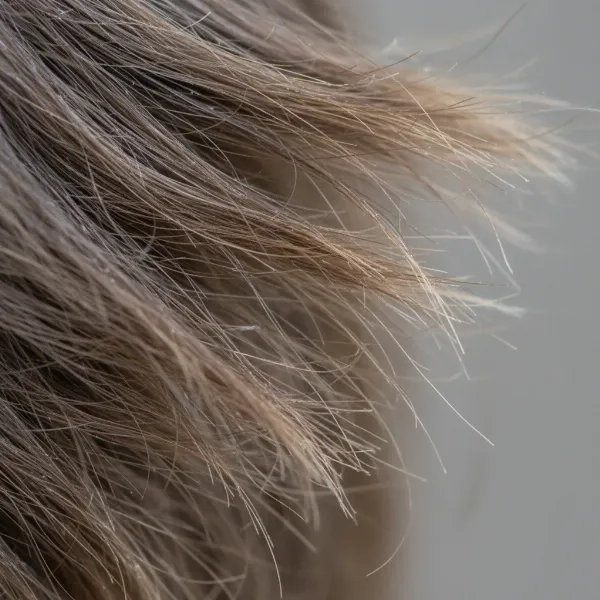 Close-up of frizzy, dull, and brittle hair showing damage from aggressive drying methods.
Gentle Drying Tools and Technologies for Oil Retention
To preserve your hair’s natural oils, incorporating gentle drying methods and specialized tools is key. These options prioritize minimizing heat exposure and friction, allowing your hair to retain its essential moisture.
Air Drying
Air drying is often considered the ultimate non-damaging method, allowing your hair to dry naturally without any heat or friction. While it saves your hair from thermal damage, it can sometimes lead to frizz if not managed correctly, especially for those with wavy or curly textures. For best results, gently squeeze out excess water and apply a leave-in conditioner or styling cream, then resist the urge to touch your hair as it dries. Techniques like “plopping” with a cotton t-shirt or microfiber towel can help define curls and reduce frizz during air drying.
Microfiber Towels
Traditional cotton towels can be too abrasive, causing friction that leads to frizz and breakage. Microfiber towels, on the other hand, are specifically designed with ultra-fine fibers that absorb water more efficiently and gently. This superior absorbency reduces drying time without stripping essential moisture, minimizing the need for prolonged heat exposure and safeguarding your hair’s natural oils. They are particularly beneficial for fragile or textured hair types, as they smooth the cuticle rather than roughing it up.
Ionic Hair Dryers
Ionic hair dryers emit negative ions that interact with the positively charged water molecules on your hair. This process breaks down water droplets faster, allowing your hair to dry more quickly and at a lower temperature. The negative ions also help to seal the hair cuticle, locking in moisture and reducing frizz, which is crucial for retaining natural oils. These dryers are often recommended for those with thick, coarse, or frizzy hair, as they promote a smoother, shinier finish by enhancing the hair’s natural moisture balance.
Ceramic Hair Dryers
Ceramic hair dryers are known for their ability to distribute heat evenly and consistently. The ceramic components heat up quickly and maintain a steady temperature, preventing damaging hot spots that can dehydrate hair and strip its oils. This gentle, uniform heat makes them suitable for a wide range of hair types, particularly those that are dry, damaged, or fine, as they minimize the risk of overheating and promote a healthier drying experience.
Tourmaline Hair Dryers
Tourmaline is a semi-precious mineral that, when crushed and infused into a dryer’s components, significantly boosts the production of negative ions, similar to ionic dryers. This enhanced ionic output means even faster drying times with less heat, further reducing the reliance on high temperatures. Tourmaline dryers are excellent for maximizing glossiness and drastically cutting down on frizz, making them ideal for individuals seeking to protect their hair’s natural moisture while achieving a super smooth finish. However, their potent smoothing effect might flatten very fine or oily hair types.
Diffusers
A diffuser attachment is a game-changer for gentle drying, especially for those with curly or wavy hair. It disperses the dryer’s airflow over a wider area, preventing direct, concentrated heat from disrupting the curl pattern and causing frizz. This even distribution of gentle heat allows curls to dry more uniformly and naturally, preserving their shape and, critically, their natural oils. Diffusers are essential for maintaining moisture and preventing the “blown out” look that can occur with a standard nozzle.
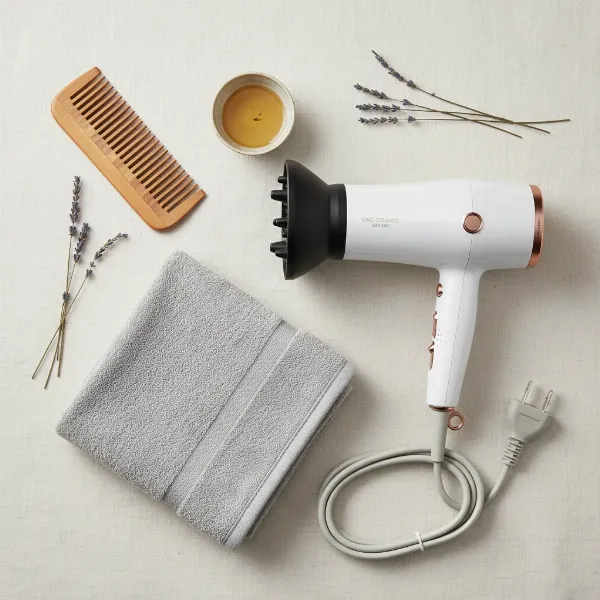 A flat lay showcasing various gentle hair drying tools: a microfiber towel, an ionic hair dryer with diffuser, and a wide-tooth comb.
Key Factors for Gentle Hair Drying to Protect Natural Oils
When you’re aiming to dry your hair without stripping its natural oils, several crucial factors come into play beyond just the tools you use. These considerations help create an environment where your hair can dry effectively while remaining hydrated and healthy.
- Temperature Control: The single most important factor is using the lowest effective heat setting. High temperatures rapidly evaporate water, but they also strip away the hair’s natural moisture, leading to dryness and potential damage. Opt for cool or low-warm settings, and always finish with a cool shot to seal the cuticle and add shine.
- Airflow Speed: While a powerful motor might seem efficient, high-speed airflow can blast the cuticle open, causing frizz and leading to moisture loss. Choose a dryer with adjustable speed settings and prefer a gentle, diffused airflow to dry your hair calmly and effectively, without disturbing the natural oil balance.
- Technology Integration: As discussed, ionic, ceramic, and tourmaline technologies all contribute to a gentler drying process. These technologies work by distributing heat more evenly, reducing drying time at lower temperatures, and sealing the hair cuticle to lock in moisture. Selecting a dryer that incorporates these features is a smart investment in your hair’s health.
- Pre-Drying Products: Applying the right products before drying forms a protective barrier. Leave-in conditioners provide an extra layer of hydration and help detangle, reducing mechanical stress. Natural oils like argan, jojoba, or a lightweight hair serum can mimic sebum, offering protection and shine. Additionally, a quality heat protectant is non-negotiable if using any heat, even on a low setting, to shield your hair from thermal damage.
Comparison of Gentle Drying Methods and Tools
Choosing the right drying method and tools depends on your hair type, desired outcome, and how much time you have. Here’s a comparison focusing on oil preservation and overall hair health:
| Feature | Air Drying | Microfiber Towel | Ionic/Ceramic Dryer (Low Heat) |
|---|---|---|---|
| Oil Preservation | Excellent (No heat/friction) | Excellent (Less friction) | Very Good (Low heat, cuticle seal) |
| Speed | Very Slow | Moderate | Moderate to Fast |
| Frizz Control | Variable (can increase if hair disturbed) | Good (Reduces friction) | Very Good (Smooths cuticle) |
| Heat Damage Risk | None | None | Low (If used correctly) |
| Convenience | High (Hands-off) | High (Quick prep) | Moderate (Requires technique) |
| Ideal Hair Type | All (especially fine/damaged, with care for frizz) | All (especially curly/frizzy) | Thick, frizzy, curly, fine (ceramic) |
| Cost | Free | Low | Moderate to High |
Proper Hair Drying Techniques to Retain Natural Oils
Mastering the art of gentle hair drying involves a series of steps that work synergistically to protect your hair’s natural oils and overall integrity.
-
Pre-Drying Preparation:
- Gently Squeeze Excess Water: Immediately after showering, gently squeeze out as much water as possible using your hands. Avoid twisting or wringing your hair, which can cause breakage.
- Wide-Tooth Comb Detangling: While your hair is still damp (and ideally coated with conditioner), use a wide-tooth comb to detangle. Start from the ends and work your way up to the roots to minimize pulling and breakage. This also helps distribute any leave-in products.
- Apply Leave-In Products: Apply a hydrating leave-in conditioner, a lightweight hair oil (like argan or jojoba), or a heat protectant. Focus on the mid-lengths and ends, as these areas are most prone to dryness.
-
Towel Drying Technique:
- Blot, Don’t Rub: Instead of rubbing your hair vigorously with a rough towel, gently blot and press a microfiber towel or an old cotton T-shirt against your hair to absorb excess moisture.
- Plopping (for curly/wavy hair): For curly or wavy hair, lay a microfiber towel or cotton T-shirt flat, flip your head over so your hair “ploops” onto the fabric, then wrap it securely. This technique helps absorb water without friction and encourages curl formation. Leave it on for 15-30 minutes.
-
Hair Dryer Usage (if applicable):
- Partial Air Dry First: Allow your hair to air dry about 60-80% before introducing a blow dryer. This significantly reduces the time your hair is exposed to heat.
- Low Heat, Low Speed: Always use your blow dryer on the lowest heat and speed settings that effectively dry your hair. High heat strips moisture, while high speed can create frizz.
- Maintain Distance and Motion: Hold the dryer at least 6-8 inches away from your hair and keep it constantly moving. Avoid concentrating heat on one section for too long.
- Aim Downwards: Direct the airflow down the hair shaft, from roots to ends. This helps smooth the cuticle and prevent frizz.
- Sectioning: Divide your hair into manageable sections (4-6, depending on thickness) and dry one section at a time. This ensures even drying and prevents over-drying parts of your hair while others are still wet.
- Use Attachments: If you have curly hair, use a diffuser to gently dry and define curls without disturbing them. For straight or wavy hair, a concentrator nozzle can help direct airflow efficiently without causing frizz.
- Finish with a Cool Shot: Once your hair is almost dry, switch to the cool shot button for a minute or two. This blast of cool air helps seal the hair cuticle, locks in shine, and sets your style, further preserving moisture.
-
Overnight Air Drying (with caution):
- If you opt to air dry overnight, ensure your hair is mostly damp, not soaking wet, to prevent hygral fatigue (damage from hair remaining wet for too long).
- Use a silk cap or scarf to protect your hair from friction against your pillowcase, which can cause frizz and disrupt natural oils. Avoid sleeping directly on wet hair, as the prolonged moisture can weaken strands and promote bacterial growth.
Maintaining Your Drying Tools for Optimal Hair Health
While the focus is on preserving your hair’s natural oils, the condition of your drying tools plays a subtle yet significant role in this endeavor. Proper maintenance ensures that your tools operate efficiently and gently, thereby protecting your hair.
- Clean Filters on Hair Dryers: Regularly cleaning the air filter on your hair dryer is crucial. A clogged filter restricts airflow, forcing the motor to work harder and increasing the risk of overheating. Overheating can lead to inconsistent heat distribution and excessively hot air, which can strip your hair of its natural oils and cause damage. A clean filter ensures optimal airflow and temperature control, allowing for a more gentle and efficient drying process.
- Proper Storage: Store your Hair Dryer and microfiber towels correctly. Keep your dryer in a dry, safe place where it won’t be easily damaged. For microfiber towels, wash them separately from cotton items to prevent lint transfer, which can reduce their absorbency and effectiveness over time. Properly maintained tools perform better, last longer, and contribute to healthier hair drying habits.
“The true secret to vibrant, healthy hair isn’t about magical products, but consistent, gentle care. Prioritize protecting your hair’s natural balance at every step, especially during drying.” – Dr. Elena Petrova, Trichologist and Hair Health Expert
Conclusion
Preserving your hair’s natural oils during the drying process is a cornerstone of achieving and maintaining truly healthy, radiant hair. By understanding the protective role of sebum and consciously choosing gentler methods, tools, and techniques, you can avoid the common pitfalls of heat damage and excessive friction. Embrace air drying, invest in a quality microfiber towel, and if using a blow dryer, always opt for ionic, ceramic, or tourmaline technologies on low heat and speed settings. Implement pre-drying care with nourishing products and always prioritize a gentle touch. These deliberate choices will lead to hair that feels softer, looks shinier, and is more resilient, reflecting its inherent health from within. What small change will you make to your drying routine today to start nourishing your hair’s natural balance?
Frequently Asked Questions
Can air drying alone cause frizz or remove natural oils?
While air drying is generally gentler than heat, it can lead to frizz if hair is disturbed while drying or if inadequate products are used to smooth the cuticle. It won’t directly remove natural oils, but improper technique can make hair appear dry or unmanageable.
How often should I wash my hair to best preserve natural oils?
Washing frequency largely depends on your hair type and lifestyle. For most, washing every 2-3 days is ideal. Those with dry or curly hair might benefit from washing once or twice a week to allow natural oils to fully benefit the strands without being stripped too frequently.
Are all heat protectants effective at preserving natural oils?
Look for heat protectants that are formulated with nourishing ingredients like natural oils (e.g., argan, coconut, jojoba) or silicones that form a protective barrier. Avoid products with harsh alcohols or drying chemicals that could counteract the oil-preserving efforts.
What is the ideal temperature setting for blow-drying without stripping oils?
The ideal setting is the lowest effective heat setting, typically “low” or “cool.” Always prioritize using a cool shot at the end of your drying session to help seal the hair cuticle, which locks in moisture and prevents oil loss.
How do diffusers help in retaining natural oils, especially for curly hair?
Diffusers distribute airflow gently and evenly, preventing direct, high-heat concentration that can dehydrate hair and disrupt natural oils. For curly hair, they maintain the curl pattern and allow for a slower, more natural drying process, preserving moisture and preventing frizz.