Every strand of hair tells a story, and often, that story includes a battle against heat. The pursuit of a perfect blowout can, unfortunately, lead to damage that leaves hair dry, brittle, and lifeless. As an experienced technician with a decade in the hair dryer industry, I’ve seen firsthand how crucial proper technique and the right tools are for maintaining hair health. This comprehensive guide will equip you with the knowledge to safeguard your locks, ensuring you achieve beautiful styles without compromising your hair’s vitality.
Understanding Heat Damage: Why Protection Matters
Heat damage occurs when high temperatures alter the protein structure of your hair, specifically keratin. When exposed to excessive heat, the water inside the hair shaft boils, forming bubbles that weaken the cuticle. This can lead to a range of visible issues, including dryness, frizz, split ends, dullness, and even breakage. Over time, consistent heat exposure without proper protection can severely compromise your hair’s elasticity and overall strength, making it more susceptible to further environmental stressors. Effective protection is not just about aesthetics; it’s about preserving the fundamental health and integrity of your hair.
Choosing the Right Hair Dryer to Minimize Heat Damage
Selecting the appropriate hair dryer is your first line of defense against heat damage. Modern technology offers various types designed with hair health in mind, making it easier to achieve a quick dry without compromising your strands.
Types of Hair Dryers for Enhanced Protection
- Ionic Hair Dryers: These dryers emit negative ions that break down water molecules quickly, allowing hair to dry faster at lower temperatures. This reduces heat exposure and helps seal the hair’s cuticle, leading to smoother, shinier hair with less frizz. They are particularly beneficial for those with thick or coarse hair.
- Ceramic Hair Dryers: Ceramic components distribute heat evenly and consistently, preventing hot spots that can scorch hair. Many ceramic dryers also produce infrared heat, which penetrates the hair shaft from the inside out, drying it more efficiently and gently. This makes them a great choice for fine or delicate hair.
- Tourmaline Hair Dryers: Often an enhancement to ceramic or ionic dryers, tourmaline is a semi-precious mineral that dramatically increases the production of negative ions and infrared heat. This results in even faster drying times and enhanced frizz reduction, making them ideal for all hair types, especially those prone to frizz or in need of extra speed.
- Cordless/Low-Heat Dryers: While less common for everyday powerful drying, some specialized cordless or low-heat hair dryers offer ultimate portability and a gentler drying experience. They are excellent for quick touch-ups or for individuals prioritizing minimal heat styling above all else, though drying times may be longer.
|
Our Picks for the Best Hair Dryer in 2026
As an Amazon Associate I earn from qualifying purchases.
|
||
| Num | Product | Action |
|---|---|---|
| 1 | Wicked Elphaba Hair Dryer with Diffuser from Conair - INFINITIPRO by CONAIR Hair Dryer with Ceramic Technology - Includes Diffuser and Concentrator |

|
| 2 | Conair Double Ceramic Hair Dryer - Blow Dryer with Ionic Conditioning - Includes Concentrator |
|
| 3 | Conair Double Ceramic Hair Dryer, 1875W Blow Dryer with Diffuser and Concentrator, Ionic Conditioning, 3 Heat & 2 Speed Settings, Amazon Exclusive, White |
|
| 4 | INFINITI PRO by CONAIR Hair Dryer, 1875W Blow Dryer with Diffuser and Concentrator, Ceramic Technology, 3 Heat & 2 Speed Settings, Cold Shot Button, Black |
|
| 5 | Infiniti PRO CONAIR Hair Dryer with Diffuser and Concentrator, 1875W Style & Shine Blow Dryer with Tourmaline and Ionic Conditioning to Fight Frizz, 3 Heat & 2 Speed Settings, Blue |
|
| 6 | Wicked Glinda Hair Dryer with Diffuser from Conair - INFINITIPRO by CONAIR Hair Dryer with Ceramic Technology - Includes Diffuser and Concentrator |
|
| 7 | Wavytalk Hair Dryer, Blown Away Ionic Hair Dryer for Curly Hair with Diffuser, 1875W Fast Drying Blow Dryer with Ceramic Technology, 3 Attachments for All Hair Types, Light and Quiet, Rose Gold |
|
| 8 | INFINITI PRO by CONAIR Hair Dryer, 1875W Blow Dryer with Diffuser and Concentrator Attachments, AC Motor with Ceramic Technology, 3 Heat & 2 Speed Settings, Plum |
|
| 9 | Wavytalk Hair Dryer with Diffuser, Blown Away Ionic Hair Dryer for Curly Hair with Comb, 1875W Fast Drying Blow Dryer with Ceramic Technology, 3 Attachments for All Hair Types, Light and Quiet, Black |
|
| 10 | Infiniti PRO CONAIR Hair Dryer with Diffuser, Professional AC Motor, Tourmaline Ceramic Technology Blow Dryer, Includes Concentrator and Blowout Brush, Amazon Exclusive, Gray |
|
Key Features in Hair Dryers for Minimizing Heat Damage
When investing in a new hair dryer, look for these features that actively work to protect your hair:
- Variable Heat and Speed Settings: This is paramount. The ability to adjust heat and airflow allows you to customize the drying process for your hair type and style, opting for lower temperatures when possible to prevent heat damage.
- Wattage (Power): Higher wattage (typically 1875W and above for home use) often means a more powerful motor and faster airflow, which can lead to quicker drying times. Faster drying reduces the overall duration your hair is exposed to heat.
- Attachments (Nozzles and Diffusers): A concentrator nozzle directs airflow precisely, which is excellent for targeted styling, while a diffuser spreads heat gently over a larger area, perfect for curly or fragile hair, reducing frizz and heat intensity.
- Smart Technology/Sensors: Advanced hair dryers may feature sensors that continuously monitor air temperature, adjusting it automatically to prevent overheating and maintain optimal hair health.
- Design & Ergonomics: A lightweight and well-balanced hair dryer reduces arm fatigue, allowing for better control and more consistent movement, preventing prolonged heat exposure to any single section of hair. Lower noise levels can also contribute to a more pleasant and less rushed drying experience.
- Reputable Brands: Brands known for innovation and quality often integrate better heat protection technologies and durable components into their hair dryers.
Essential Steps for Heat-Safe Hair Drying
Even with the best hair dryer, technique is everything. Mastering your drying routine can drastically reduce the risk of heat damage.
Preparation is Key
Before you even plug in your hair dryer, proper preparation can make a significant difference.
- Gentle Towel Drying/Air Drying: Never start blow-drying soaking wet hair. Gently squeeze out excess water with a microfiber towel or an old cotton t-shirt. Allowing your hair to air dry partially (to about 70-85% dry) before applying heat significantly reduces the total time your hair is exposed to the dryer. Less moisture means less time under direct heat.
- Applying Heat Protectant: This is a non-negotiable step. A good heat protectant forms a protective barrier around each strand, minimizing the direct impact of heat. Look for sprays, creams, or serums containing silicones or polymers that can withstand high temperatures. Apply it evenly from roots to ends, ensuring every section is covered before drying.
Mastering Your Blow-Drying Technique
Once your hair is prepped, these techniques will help you dry your hair safely and efficiently.
- Using Appropriate Heat and Speed Settings: Always start with the lowest effective heat setting. Fine, thin, or damaged hair requires lower heat, while thicker, coarser hair might tolerate a medium setting. Pair this with a medium to high airflow speed to dry hair quickly without relying solely on intense heat.
- Maintaining Distance: Keep your hair dryer at least six inches (about 15-20 cm) away from your hair. This distance allows heat to dissipate slightly, preventing direct scorching of your hair and scalp.
- Keeping the Dryer Moving Constantly: Avoid holding the hair dryer in one spot for too long. Continuously move the dryer around your head and along each section of hair. This ensures even heat distribution and prevents any single area from overheating.
- Sectioning Hair for Even and Efficient Drying: Divide your hair into manageable sections using clips. Working on smaller sections at a time allows for more thorough and quicker drying, reducing the need to go over the same areas repeatedly, which can lead to heat damage.
- Avoiding Over-Drying: Stop drying when your hair is about 85-90% dry. It should feel mostly dry but retain a slight amount of natural moisture. Over-drying can strip your hair of essential hydration, leaving it brittle and prone to breakage.
- Finishing with a Cool Shot: Many hair dryers feature a “cool shot” button. Use this at the end of your drying session. The blast of cool air helps to seal the hair cuticle, lock in your style, add shine, and cool down the hair, preventing lingering heat damage.
Maintaining Your Hair Dryer for Optimal Performance and Safety
A well-maintained hair dryer not only performs better but also helps prevent potential hair damage.
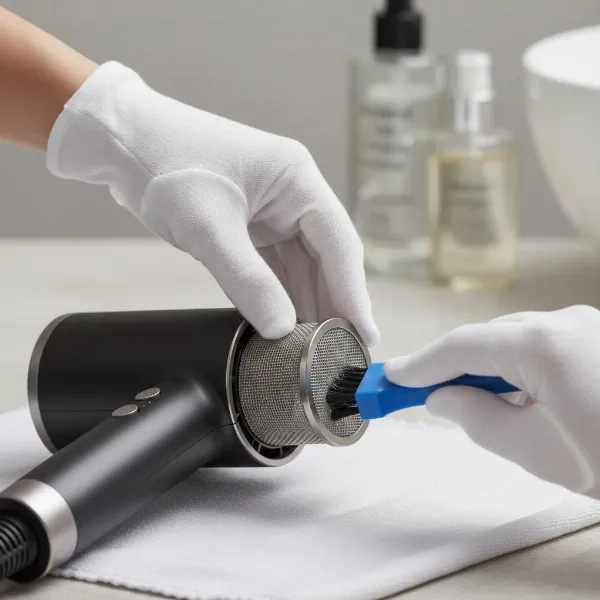
- Cleaning: Regularly clean the air filter at the back of your hair dryer. A clogged filter restricts airflow, causing the motor to overheat and potentially leading to inconsistent or excessive heat output, which can damage your hair and the appliance itself.
- Storage: Store your hair dryer properly to extend its lifespan. Avoid wrapping the cord tightly around the unit, as this can damage the internal wiring. Keep it in a dry, safe place where it won’t be dropped or knocked around.
- Troubleshooting Common Issues: If your hair dryer starts making unusual noises, smells burnt, or isn’t heating properly, it’s often a sign of a clogged filter or a failing component. Addressing these issues promptly can prevent further damage to your hair by ensuring consistent, controlled heat and airflow.
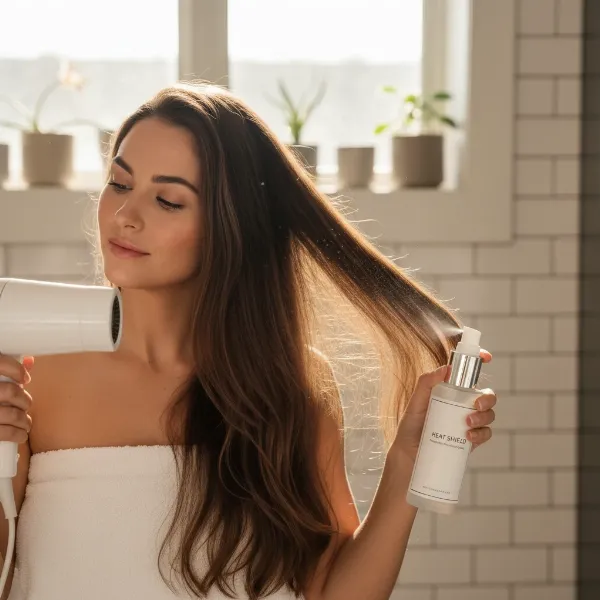 A woman protecting her hair from heat damage while blow-drying with a heat protectant spray
Investing in Your Hair Health: Buying Guide for Heat-Protectant Dryers
Choosing a hair dryer that prioritizes hair health means understanding what you get at different price points.
- Budget-Friendly Options (Under $50): These hair dryers typically offer basic heat and speed settings. Look for models with at least two heat settings and a cool shot button. While they may lack advanced features, consistent use of heat protectant and proper technique can still provide good results. Focus on brands known for reliability.
- Mid-Range Choices ($50-$150): In this segment, you’ll find hair dryers incorporating ionic or ceramic technology, often with more precise heat and speed controls. They offer a good balance of features, performance, and durability, making them excellent for daily use without excessive heat damage. Many include diffusers and concentrator nozzles.
- Premium Models ($150+): High-end hair dryers often boast advanced technologies like tourmaline infusion, intelligent heat sensors, powerful brushless motors for faster drying, and ergonomic, lightweight designs. These are designed for optimal hair health, offering quick drying at lower temperatures, superior frizz reduction, and enhanced shine. They are a worthwhile investment for those who frequently blow-dry their hair or have particularly delicate hair.
When purchasing, always opt for reputable electronics stores or trusted online retailers to ensure you receive a genuine product with warranty support.
Conclusion
Protecting your hair from heat damage while drying is an art that combines the right tools with meticulous technique. By understanding the impact of heat, choosing a Hair Dryer with protective features, and adopting a disciplined drying routine that includes proper preparation and careful execution, you can maintain the vibrancy and strength of your hair. Remember, healthy hair is beautiful hair, and a little extra care during your drying process goes a long way. What small change will you make to your hair drying routine today to better protect your precious strands?
Frequently Asked Questions
What are the signs of heat damaged hair?
Signs of heat-damaged hair include dryness, frizz, split ends, dullness, and a brittle texture. You might also notice increased breakage, a rough feel, and a lack of elasticity, making your hair less responsive to styling. These symptoms indicate the hair’s protective cuticle has been compromised.
How often can I blow dry my hair without damage?
The frequency depends on your hair type, the health of your hair, and your technique. Ideally, limit blow-drying to 2-3 times per week. Always use a heat protectant, the lowest effective heat setting, and ensure your hair is mostly air-dried beforehand to minimize exposure and reduce potential heat damage.
Do heat protectants really work?
Yes, heat protectants work by creating a barrier between your hair and the heat source, distributing heat more evenly, and often containing ingredients that condition and moisturize the hair. While they don’t completely prevent all damage, they significantly reduce the impact of high temperatures, making them an essential step in any heat-styling routine.
What’s the best heat setting for my hair type?
There isn’t a universal “best” setting, as it depends on your hair. Fine, thin, or chemically treated hair typically benefits from the lowest heat setting. Medium heat is often suitable for normal or wavy hair, while thick, coarse, or curly hair might require a slightly higher setting, always paired with a powerful airflow to dry quickly. Always start low and increase only if necessary.