Welcome to hairdryerbest.com, your ultimate guide to achieving salon-quality hair from the comfort of your home. As a technician with over a decade of deep expertise in hair dryer technology, I’ve seen countless innovations designed to give you the perfect blow dry. Choosing the right hair dryer, especially when faced with terms like “ionic,” “ceramic,” and “tourmaline,” can feel overwhelming. This comprehensive guide will demystify these technologies, helping you understand their unique benefits and drawbacks so you can select the ideal hair dryer that meets your specific needs and budget. Let’s dive into the world of hair drying science and find your perfect match.
Choosing the Right Hair Dryer: A Comprehensive Guide
Selecting a hair dryer is more than just picking a pretty color; it’s about understanding the science behind different models and how they interact with your unique hair type. The right hair dryer can transform your hair, offering faster drying times, reduced frizz, and enhanced shine, all while minimizing heat damage. Conversely, a mismatched dryer can lead to dryness, breakage, and lackluster results. Our goal is to equip you with the knowledge to make an informed decision, ensuring every blow dry contributes to healthier, more beautiful hair.
 A stylized illustration of various hair dryers with different colors and shapes, representing choice and technology, on a clean, modern background.
Popular Hair Dryer Types
Modern hair dryers incorporate various technologies, each offering distinct advantages for different hair concerns. Understanding these core technologies—ionic, ceramic, and tourmaline—is crucial for making an informed choice that suits your hair’s unique structure and needs.
-
Ionic Hair Dryers: These dryers emit millions of negatively charged ions that interact with the positively charged water molecules on wet hair, breaking them down into smaller particles. This process allows water to evaporate faster at lower temperatures, significantly reducing drying time. Ionic technology excels at minimizing frizz and static by smoothing the hair cuticle, resulting in sleeker, shinier hair. However, for those with very fine hair, excessive negative ions can sometimes lead to a flatter, less voluminous look. They are particularly beneficial for individuals with thick, coarse, or frizzy hair.
-
Ceramic Hair Dryers: Ceramic hair dryers feature heating elements or internal components coated with ceramic material. This material ensures even and consistent heat distribution, preventing damaging hot spots. Ceramic dryers often use infrared heat, which penetrates the hair shaft to dry hair from the inside out, preserving natural moisture and luster. They can even auto-adjust temperature based on room conditions. Gentle and versatile, ceramic dryers are suitable for a wide range of hair types, especially fine, fragile, color-treated, or damaged hair, as they minimize the risk of heat damage.
-
Tourmaline Hair Dryers: Tourmaline is a semi-precious gemstone that, when crushed into a fine powder and integrated into the dryer’s components, naturally emits both negative ions and far-infrared heat. This combination supercharges the benefits of both ionic and ceramic technologies. Tourmaline dryers significantly cut down drying time (by up to 40% in some cases) and enhance glossiness by sealing the hair cuticle, making them less reliant on high heat. They are highly effective at reducing frizz and adding shine, making them an excellent choice for thick, curly, coarse, or highly porous hair, providing superior smoothing and moisture retention.
-
Cordless Hair Dryers: Designed for ultimate portability and freedom of movement, cordless hair dryers operate on rechargeable batteries. Their primary advantage lies in convenience, making them ideal for travel or quick touch-ups without being tethered to an outlet. However, they typically offer lower wattage compared to corded models, which translates to slower drying times, especially for long or thick hair. Battery life is also a significant consideration, as runtimes can be limited, and consistent high performance may diminish as the battery drains. While innovative, their power limitations often make them less suitable for daily, full styling sessions.
|
Our Picks for the Best Hair Dryer in 2026
As an Amazon Associate I earn from qualifying purchases.
|
||
| Num | Product | Action |
|---|---|---|
| 1 | Wicked Glinda Hair Dryer with Diffuser from Conair - INFINITIPRO by CONAIR Hair Dryer with Ceramic Technology - Includes Diffuser and Concentrator |

|
| 2 | Conair Double Ceramic Hair Dryer - Blow Dryer with Ionic Conditioning - Includes Concentrator |
|
| 3 | INFINITI PRO by CONAIR Hair Dryer, 1875W Blow Dryer with Diffuser and Concentrator Attachments, AC Motor with Ceramic Technology, 3 Heat & 2 Speed Settings, Plum |
|
| 4 | Conair Double Ceramic Hair Dryer, 1875W Blow Dryer with Diffuser and Concentrator, Ionic Conditioning, 3 Heat & 2 Speed Settings, Amazon Exclusive, White |
|
| 5 | Wicked Elphaba Hair Dryer with Diffuser from Conair - INFINITIPRO by CONAIR Hair Dryer with Ceramic Technology - Includes Diffuser and Concentrator |
|
| 6 | Infiniti PRO CONAIR Hair Dryer with Diffuser, Professional AC Motor, Tourmaline Ceramic Technology Blow Dryer, Includes Concentrator and Blowout Brush, Amazon Exclusive, Gray |
|
| 7 | Wavytalk Hair Dryer with Diffuser, Blown Away Ionic Hair Dryer for Curly Hair with Comb, 1875W Fast Drying Blow Dryer with Ceramic Technology, 3 Attachments for All Hair Types, Light and Quiet, Black |
|
| 8 | INFINITI PRO by CONAIR Hair Dryer, 1875W Blow Dryer with Diffuser and Concentrator, Ceramic Technology, 3 Heat & 2 Speed Settings, Cold Shot Button, Black |
|
| 9 | Wavytalk Hair Dryer, Blown Away Ionic Hair Dryer for Curly Hair with Diffuser, 1875W Fast Drying Blow Dryer with Ceramic Technology, 3 Attachments for All Hair Types, Light and Quiet, Rose Gold |
|
| 10 | Infiniti PRO CONAIR Hair Dryer with Diffuser and Concentrator, 1875W Style & Shine Blow Dryer with Tourmaline and Ionic Conditioning to Fight Frizz, 3 Heat & 2 Speed Settings, Blue |
|
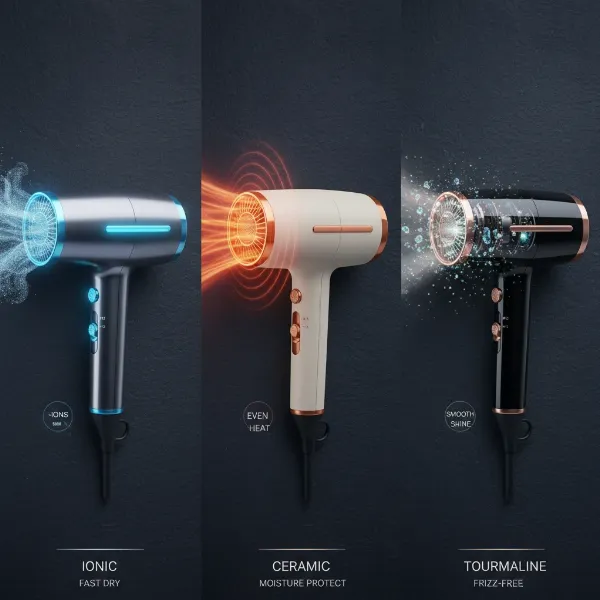 A visual comparison of three distinct hair dryer types (ionic, ceramic, tourmaline) side-by-side, with subtle visual cues representing their core technology (e.g., negative ion streams for ionic, even heat glow for ceramic, sparkling tourmaline elements).
Key Criteria When Choosing a Hair Dryer
Beyond the core technology, several other factors play a pivotal role in selecting the perfect hair dryer. Considering these criteria will help you narrow down your options and invest in a tool that truly meets your styling needs and promotes hair health.
- Wattage: This indicates the motor’s power and directly impacts drying speed and airflow. Higher wattage typically means faster drying. For most hair types, a wattage between 1500 and 1875 is a good balance of power and control. Thick or coarse hair benefits from 2000 watts or more for quicker results, while fine or fragile hair may require lower wattages (1200-1600W) to prevent heat damage.
- Temperature: Adjustable heat settings are crucial. Different hair types and desired styles require varying temperatures. Fine or damaged hair needs low heat, while thicker hair can handle medium to high. A “cool shot” button is also highly valuable for setting styles and sealing the cuticle for lasting shine.
- Airflow: Strong, consistent airflow is essential for efficient drying. Combined with appropriate heat, robust airflow reduces drying time, minimizing hair’s exposure to heat. Multiple speed settings allow for greater control, from gentle drying to quick blowouts.
- Technology: As discussed, ionic, ceramic, and tourmaline technologies offer specific benefits like frizz reduction, even heat distribution, and faster, gentler drying. Many advanced dryers combine these technologies for enhanced performance.
- Design: Consider the dryer’s weight, ergonomics, and noise level. A lightweight, well-balanced dryer reduces arm fatigue during styling. While professional models can be louder, quieter options are increasingly available for home use.
- Brand: Reputable brands often signify quality construction, durability, and customer support. Researching user reviews and professional endorsements can provide insights into a brand’s reliability and performance.
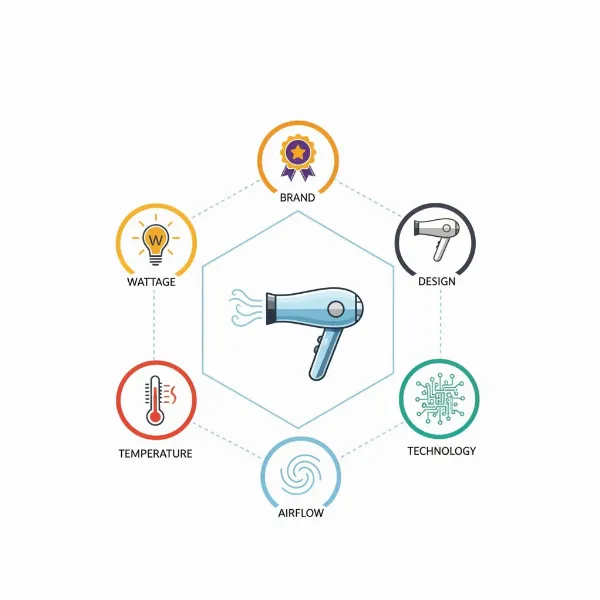 An infographic-style image displaying icons for wattage, temperature, airflow, technology, design, and brand, arranged around a central hair dryer.
Comparison Table of Popular Hair Dryers
When making a decision, a side-by-side comparison of features, benefits, and ideal hair types for each technology can be incredibly helpful. This table highlights the distinctions between ionic, ceramic, and tourmaline hair dryers to guide your choice.
| Feature | Ionic Hair Dryers | Ceramic Hair Dryers | Tourmaline Hair Dryers |
|---|---|---|---|
| How it Works | Emits negative ions to break down water molecules. | Uses ceramic-coated elements for even infrared heat. | Emits both negative ions and far-infrared heat from tourmaline crystals. |
| Drying Time | Faster due to quicker water evaporation. | Moderate, gentle drying from inside out. | Significantly faster (up to 40% reduction). |
| Heat Distribution | Direct heat with supplemental ion benefits. | Even, consistent, and gentle heat. | Very even and gentle, deep-penetrating heat. |
| Frizz Reduction | Excellent, by smoothing hair cuticle. | Good, due to even heat and moisture preservation. | Superior, seals cuticle for maximum smoothness. |
| Shine Enhancement | High, leaves hair smoother and shinier. | Good, preserves natural luster and moisture. | Exceptional, results in glossy, frizz-free hair. |
| Ideal Hair Types | Thick, coarse, frizzy hair. | Fine, fragile, color-treated, damaged hair. | Thick, curly, coarse, frizzy, or porous hair. |
| Potential Drawbacks | Can flatten fine hair if overused. | May not be as fast as ionic/tourmaline for thick hair. | Generally higher price point. |
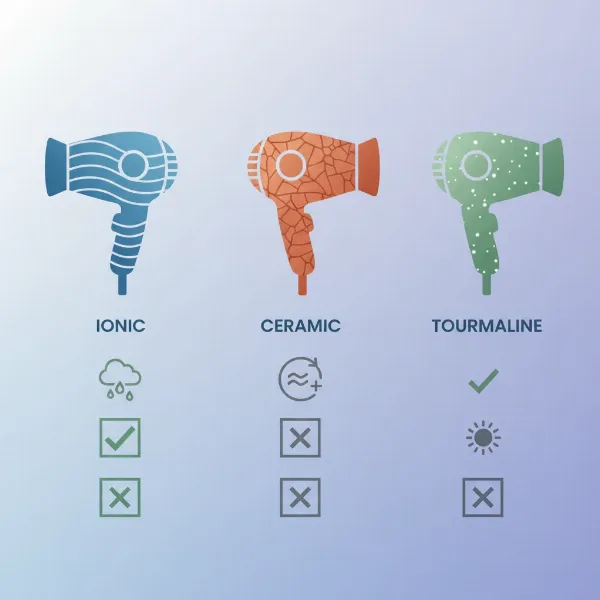 A clean, illustrative representation of a comparison chart for hair dryers, possibly showing abstract product silhouettes and feature checkboxes, without actual text for products.
How to Use Your Hair Dryer Correctly
Even with the most advanced hair dryer, improper technique can lead to damage and unsatisfactory results. Mastering the correct way to blow dry your hair is crucial for maintaining its health and achieving your desired style.
To protect your hair from unnecessary heat exposure, always start by gently towel-drying your hair until it’s about 60-80% dry. Avoid vigorous rubbing, which can cause frizz and breakage. Always apply a heat protectant spray or serum evenly through your hair before applying any heat.
Basic Hair Drying Steps:
- Section Your Hair: Divide your hair into manageable sections using clips. This ensures even drying and prevents over-drying certain areas.
- Maintain Distance: Hold the hair dryer at least 6 to 8 inches (15-20 cm) away from your hair. Never let the nozzle touch your strands.
- Use Concentrator Nozzle: For straighter, smoother results, attach a concentrator nozzle to direct airflow down the hair shaft, from roots to ends. This helps to smooth the cuticle and reduce frizz.
- Keep Moving: Continuously move the dryer around, avoiding concentrating heat on one spot for too long.
- Start with Roots, Finish with Ends: Begin drying at the roots and work your way down to the ends.
- Use a Brush (Optional): For styling, use a round brush or paddle brush to smooth or create volume as you dry.
- Cool Shot: Finish your blow dry with a blast of cool air to set the style and seal the hair cuticle, adding shine and longevity to your look.
Notes for Styling:
- Volume: For added volume, lift sections of hair at the roots with a round brush and direct airflow upwards.
- Curls: If you have curly hair, use a diffuser attachment to gently dry curls and maintain their natural pattern without causing frizz.
- Protect Against Over-drying: Stop drying once your hair is mostly dry but still has a hint of moisture. Over-drying strips hair of essential moisture, leading to dryness and split ends.
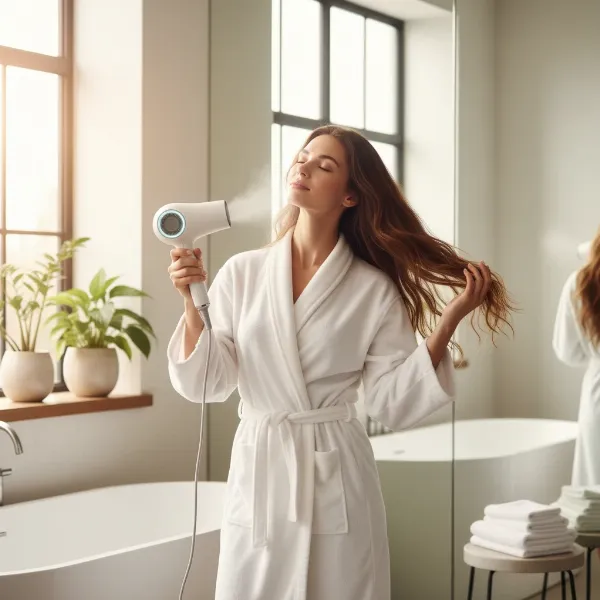 A person with flowing hair being gently dried by a hair dryer held at a safe distance, showing proper technique to prevent damage, in a bright, airy bathroom setting with soft lighting.
Hair Dryer Maintenance Tips
Proper maintenance is essential to ensure your hair dryer performs optimally and lasts for years. Neglecting your hair dryer can lead to decreased efficiency, overheating, and a shorter lifespan.
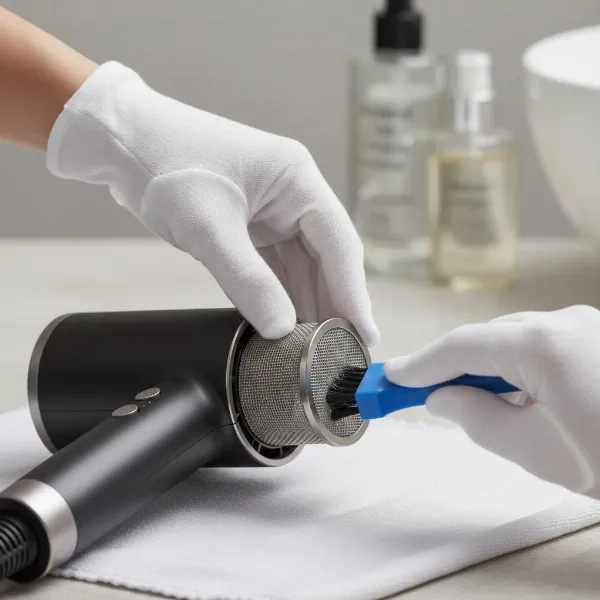
- Clean the Air Filter Regularly: The air filter, typically located at the back of the dryer, can accumulate lint, dust, and hair, blocking airflow and causing the motor to overheat. For daily users, clean the filter weekly; otherwise, aim for monthly. Gently remove the filter cover and brush away debris with a small brush or an old toothbrush.
- Wipe the Exterior: Periodically wipe down the outside of your hair dryer with a soft, slightly damp cloth to remove product residue and grime. Avoid harsh chemicals that could damage the finish.
- Care for Attachments: If your dryer comes with concentrators or diffusers, clean them regularly by wiping them with a damp cloth. Ensure they are completely dry before reattattaching.
- Inspect the Power Cord: Always check the power cord for any signs of fraying, cuts, or damage. Never wrap the cord tightly around the dryer, as this can weaken it at the base. Store the cord loosely or use the provided velcro strap.
- Proper Storage: Store your hair dryer in a dry, safe place where it won’t be dropped or knocked. Avoid hanging it by its cord.
- Address Overheating: If your hair dryer starts to overheat or shut off frequently, it’s a clear sign that the airflow is restricted, usually due to a clogged filter. Stop using it, clean the filter, and if the problem persists, it might be time for a professional check-up or replacement.
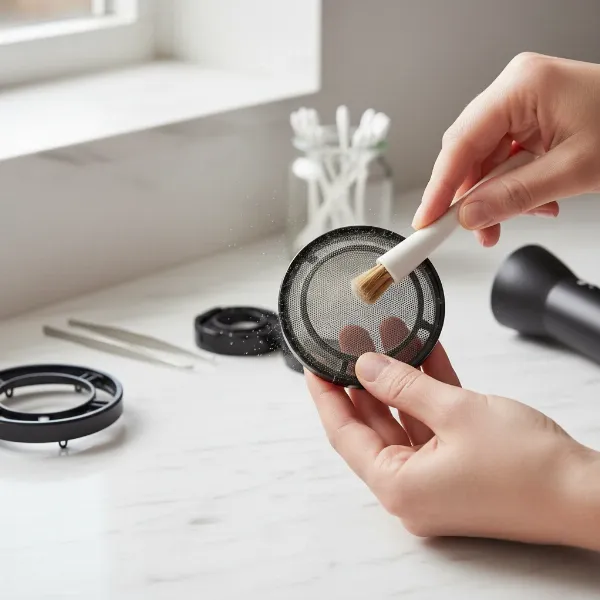 A close-up shot of hands cleaning a hair dryer's filter with a small brush, emphasizing care and longevity, on a clean countertop.
Where to Buy a Hair Dryer?
Finding the right place to purchase your hair dryer is just as important as choosing the right model. Reliable retailers offer genuine products, warranties, and good customer service.
- Reputable Electronics Stores: Large electronics retailers and department stores often carry a wide selection of hair dryers, from budget-friendly options to premium professional models. Shopping in-store allows you to physically assess the dryer’s weight, balance, and design.
- E-commerce Platforms: Online marketplaces offer immense variety, competitive pricing, and the convenience of home delivery. Always ensure you are buying from authorized sellers or the brand’s official store to guarantee authenticity and warranty coverage. Reading customer reviews can also provide valuable insights.
- Specialty Beauty Stores: Stores focused on beauty and hair care products may offer a more curated selection of professional-grade hair dryers, often with expert staff who can provide personalized recommendations.
- Brand Websites: Purchasing directly from the manufacturer’s website can sometimes offer exclusive deals, direct warranty support, and access to the full product range.
Considerations when buying online:
- Verify the seller’s reputation and authenticity.
- Check the return policy and warranty information.
- Read product reviews for real-world performance feedback.
- Compare prices across different platforms.
Buying Guide: Hair Dryer Price Segments
Hair dryers are available across a broad price spectrum, catering to every budget. Understanding what to expect from each price segment can help you manage expectations and make a smart investment.
- Budget-Friendly ($15-$50): These dryers are suitable for light, occasional use. They typically feature DC motors, offering decent but not always powerful airflow, and may have limited heat and speed settings. Constructed with plastic bodies, they are often lightweight but may lack advanced technologies like true ionic or ceramic components. While they get the job done, they might take longer to dry hair and may not offer the same level of frizz reduction or hair protection as pricier models.
- Mid-Range ($50-$120): This segment offers the best value for most consumers. Dryers in this range often incorporate basic ionic or ceramic technologies, providing more even heat distribution and better frizz control. Many feature more durable AC motors, offering stronger airflow and faster drying times. They usually come with multiple heat and speed settings, ergonomic designs, and improved build quality, striking a good balance between performance, features, and affordability.
- Premium ($120-$300+): High-end hair dryers deliver professional-grade performance and features. They often boast advanced brushless motors for exceptional power, longevity, and quiet operation. These models extensively integrate true ceramic, tourmaline, and advanced ionic technologies, providing superior heat control, rapid drying, maximum frizz reduction, and enhanced hair health. Expect smart sensors, magnetic attachments, and premium build materials designed for heavy, daily use, offering unmatched styling versatility and results.
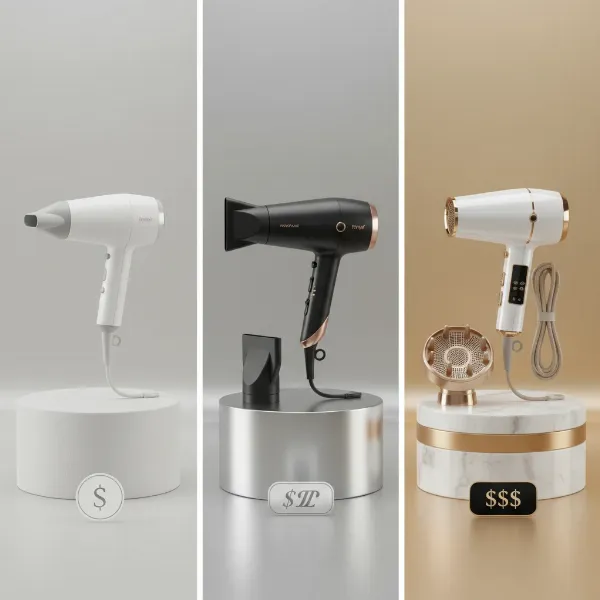 A visual representation of three tiers of hair dryers, from basic to luxurious, with subtle price tag indicators, reflecting budget, mid-range, and premium categories.
Conclusion
Choosing the ideal hair dryer involves understanding the nuanced differences between technologies like ionic, ceramic, and tourmaline, along with key features such as wattage, temperature, and design. Each technology offers unique benefits, from rapid frizz reduction with ionic dryers to gentle, even heat from ceramic, and the combined power of tourmaline for ultimate hair health and speed. By considering your hair type, styling needs, and budget, you can confidently select a hair dryer that transforms your daily routine into an effortless, hair-loving experience.
Ready to find the perfect hair dryer to unleash your hair’s full potential? Explore our detailed reviews and guides to discover your next styling essential!
Frequently Asked Questions
What’s the main difference between an ionic and a ceramic hair dryer?
Ionic hair dryers primarily use negative ions to break down water molecules, reducing frizz and speeding up drying, ideal for thick, frizzy hair. Ceramic dryers, on the other hand, focus on even, gentle infrared heat distribution, protecting hair from damage and making them suitable for all hair types, especially fine or fragile hair.
Can I use a tourmaline hair dryer on fine hair?
Yes, tourmaline hair dryers can be used on fine hair. While often recommended for thicker, curlier hair due to their fast drying and frizz-reducing power, the gentle, far-infrared heat they produce also helps protect fine hair from excessive heat exposure, minimizing damage and adding shine.
Is higher wattage always better for a hair dryer?
Not necessarily. While higher wattage (e.g., 2000W+) can lead to faster drying for thick or coarse hair, it can be too powerful and potentially damaging for fine or fragile hair, which benefits more from lower wattages (1200-1600W) to prevent heat damage. The “best” wattage depends on your specific hair type and needs.
How often should I clean my hair dryer’s filter?
For daily users, it’s recommended to clean your hair dryer’s air filter at least once a week. For less frequent use, a monthly cleaning is usually sufficient. Regular filter maintenance prevents lint and dust buildup, which can restrict airflow, cause overheating, and shorten the appliance’s lifespan.
What are the disadvantages of cordless hair dryers?
Cordless Hair Dryers offer portability but come with several disadvantages, including lower power output, which means slower drying times, especially for thick or long hair. They also have limited battery runtimes, requiring frequent recharging, and tend to be more expensive than corded models with comparable features.